
Exegesis
Introduction
The creative project I underwent for this unit was intended for enjoyment; to reignite the love I had for drawing when I was younger, as I have not done something for the simple pleasure of it in some time. As Csikszentmihalyi (1996) states, “Perhaps the most important quality, the one that is most consistently present in all creative individuals, is the ability to enjoy the process of creation for its own sake”. As discussed in my proposal, after brainstorming, the Idea I thought fit this concept was a character design. In particular, creating a backstory and character that I felt could translate well into a gaming environment. This project is important to me as my major is graphic design, where drawing can play a large role. As a challenge I chose to incorporate “creativity in technology” as a part of the project, in the form of digital art; due to wanting to learn something along the way. For these reasons, i considered the abilities of the character to be out of scope, and hence would be excluded from this design process.
Inspiration & Execution
Character design requires a vast amount of creative energy as it is an arduous task, it involves creating concepts, artwork, backstory and even personalities from scratch (Concept Art Empire, 2018). As a result of my research I noticed that the character design process no matter where you look is largely similar. Though, to streamline my process, I planned on referring to Tillman (2011)’s method to character design; the three-point turn around. The turn-around consists of the characters front, side and back view. Though, before the turn-around I decided on a backstory, explored colour schemes based on existing work and compiling my own, and then sketched multiple iterations of the various parts of the character and evaluated what I thought best fit. “Sketches help to convey ideas, demonstrate functionality, visualize user flow, and illustrate anything that requires human interaction” (Tufts, 2014). I started with body-type, then moved on to clothing, hairstyle, weapons and then their face. In this process, I found it increasingly difficult to come up with a truly original idea, I noticed myself constantly influenced by personal taste, and areas of popular culture.
Context
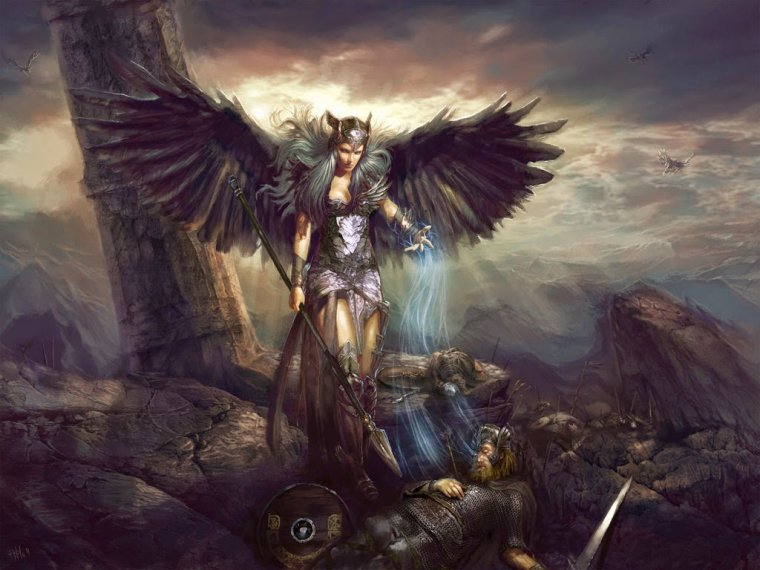
Due to time constraints instead of constructing my own story I took inspiration from Greek mythology, a vast well of folklore and characters, pinpointing a passage that piqued my interest from “The Shield of Heracles” revolving around the Keres. The resulting design framed my personal interpretation of the character from the passage. According to Satell (2014) technology expands possibilities and enhances creativity. Therefore, forgoing the physical medium and transitioning to digital art made sense to me. The purchase of a pen tablet enabled me to utilize software on my personal computer such as Clip Studio Paint. This meant I had vast amounts of creative freedom. This freedom took the form of options such as picking the style of pen, pencil, brush or blending technique that I desired, as well as having access to a vast range of colours should I wish to use them. Furthermore, the tablets ability to capture pen pressure allowed for lines to seem more natural, making the transition from paper to the digital realm easier. Furthermore, I noticed that the turn-around itself is a form of design thinking. Having all the details already available (front, back and side view), means I have defined their needs, created ideas and helped construct the beginning of a prototype for testing (Dam & Siang, 2019).
Detail
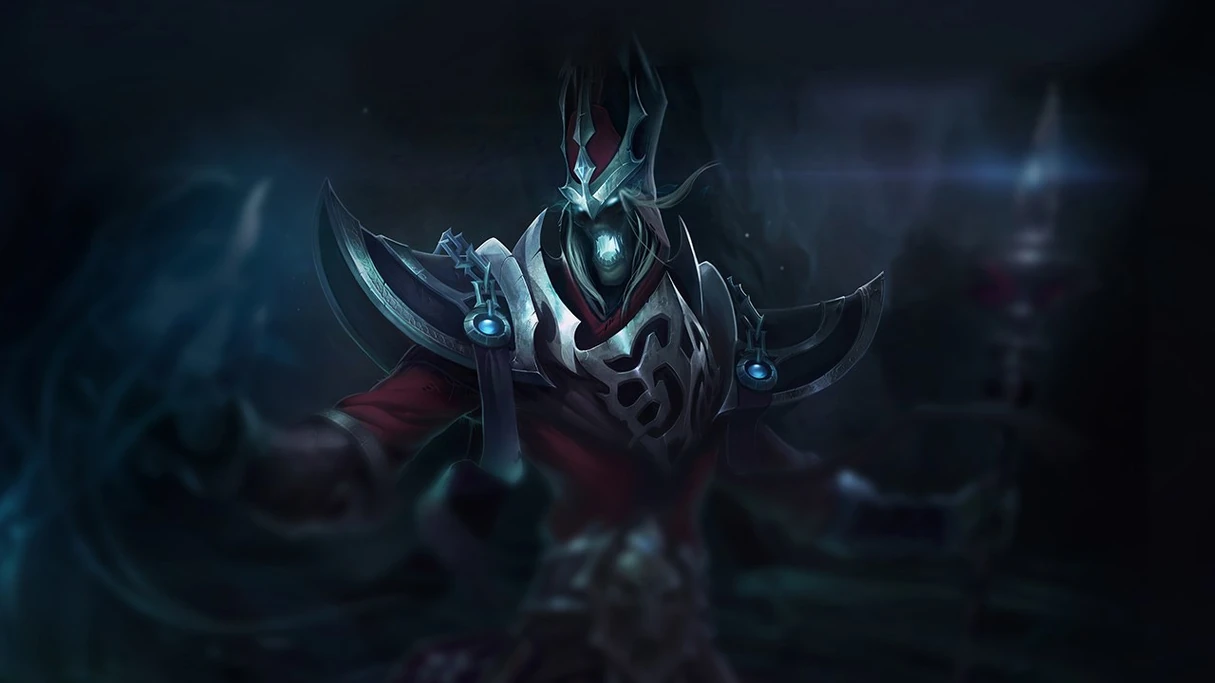
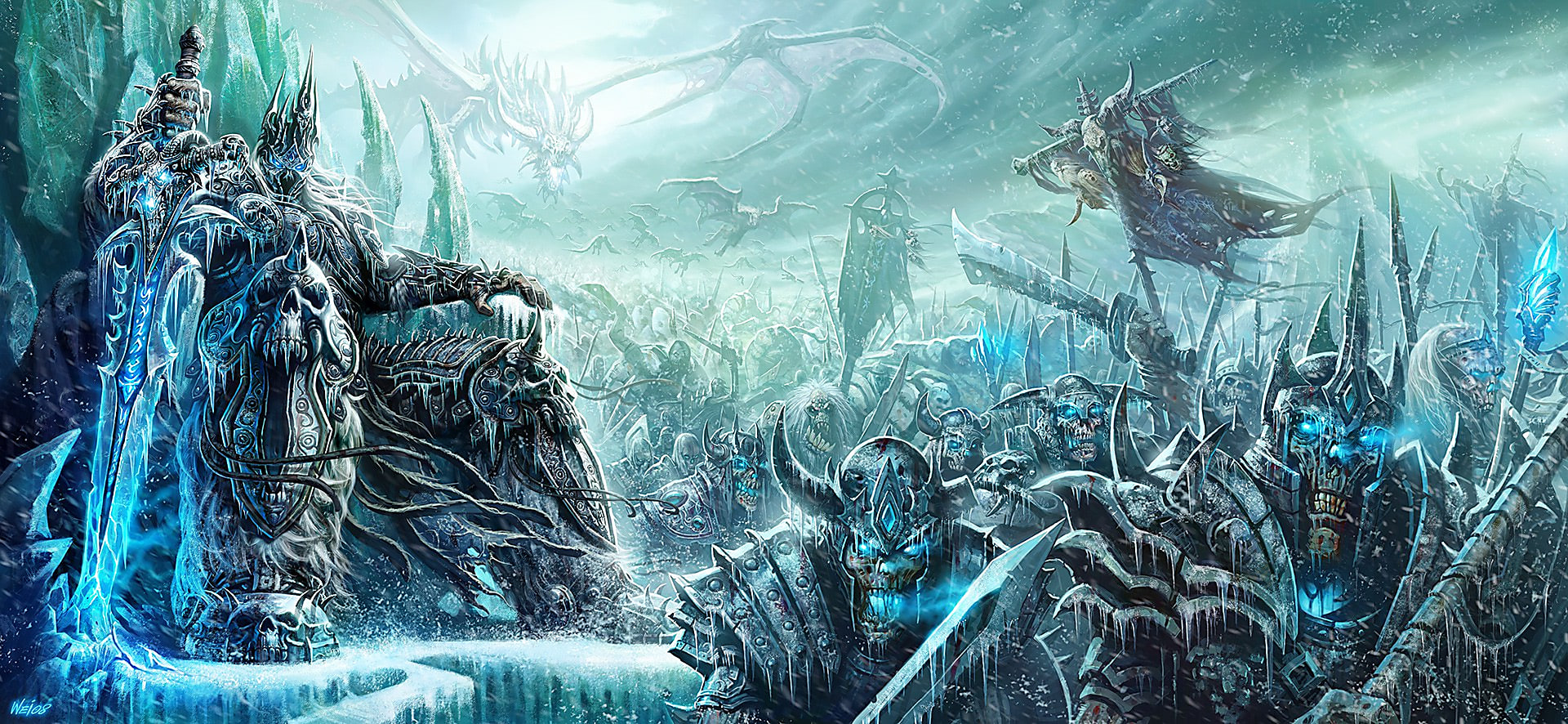
My project came with various complications. For example, as I was still learning how to use my tablet, tasks were taking longer to complete than originally planned. These time constraints led me to abstain from my original proposal of a three-point turn around hence I removed the characters side-view. Given the backstory I chose, and Tillman (2011)’s advice I sketched my ideas based on the backstory, this constraint meant that my sketches needed to remain medieval and bird-like in nature. This may seem like it limited my creativity, but I felt it did the opposite. The limitations of the medieval theme meant I had more freedom to explore the fantasy genre in interesting ways to explore the bird aesthetic I was chasing. For example, my original idea the long flowing feathery dress, comparative to the final outfit, with the vulture collar, the sleek black armour, the cloth acting as the bird tail and the weapon resembling talons. The change was made due to the realisation that the dress didn’t fit the malevolent Valkyrie theme that the passage possessed. The colour scheme I chose for my design was based off areas of pop-culture that deal with similar “otherworldly” characters, for example the Lich King from World of Warcraft. Though, during my research I learned that colours can be used to influence emotion (Moore, 2014). For example; the colours of blue, green and black subtly evoke tones of coldness, unfriendliness, enervation, and efficiency (Wright, n.d.). Interestingly, i learned that this set of colours is dubbed “Haint Blue” and was utilized in the past to ward off spirits (Roberts, 2017).
Conclusion
In closing, this project was a big step into the world of digital art for me. It took me out of my comfort zone and helped me learn about creativity in technology; in the form of digital art. Though there were some hiccups along the way, it let me combine two of my interests: mythology and drawing. Additionally, the resulting two-point turnaround of my character design turned out better than I thought even with my inexperience. Additionally, in terms of my graphic design I was able to learn that colours themes are not coincidental, with colour psychology a large amount of thought goes into picking a scheme in order to provoke certain emotions. I enjoyed this process and I hope to continue with digital art in the future.
References
Concept Art Empire. (2018). What is Character Design? (And What Does A Character Designer Do?). Retrieved from https://conceptartempire.com/character-design/
Csikszentmihalyi, M. (1996). The creative personality. Psychology Today, 29, 36-40. Retrieved from http://ezproxy.ecu.edu.au/login?url=https://search-proquest-com.ezproxy.ecu.edu.au/docview/214474433?accountid=10675
Dam, R., & Siang, T. (2019). What is Design Thinking and Why Is It So Popular?. Retrieved from https://www.interaction-design.org/literature/article/what-is-design-thinking-and-why-is-it-so-popular
Moore, J. O. (2014). True Colors: Using Color to Convey Emotion in Art. Retrieved from https://www.craftsy.com/art/article/using-color-to-convey-emotion/
Roberts, E. (2017). Why do so many Southern porches have blue ceilings?. Retrieved from https://www.today.com/home/what-haint-blue-here-s-why-southern-porches-have-blue-t115573
Satell, G. (2014). How Technology Enhances Creativity. Retrieved from https://www.forbes.com/sites/gregsatell/2014/01/27/how-technology-enhances-creativity/#5ea3bdac3f50
Tillman, B. (2011). Creative character design. Burlington, MA: Focal Press. Retrieved October 23, 2019, from https://www-sciencedirect- com.ezproxy.ecu.edu.au/book/9780240814957/creative-character-design
Tufts, K. (2014). Why Sketching Is An Important Part of The Design Process. Retrieved from https://www.dnnsoftware.com/blog/why-sketching-is-an-important-part-of-the-design-process
Wright, A. (n.d.). Psychological Properties Of Colours – Colour Affects. Retrieved from http://www.colour-affects.co.uk/psychological-properties-of-colours









 Jeremy Ruggiero